Quick Summary
A commercial photographer captures business photographs. They design advertisements, websites, and social media images. These photographers aim to market products or services. They help the brands in customer attraction and sales.
Introduction
Any brand requires powerful graphics nowadays. Photos sell products. Photos build trust. Photos tell stories. This is where a commercial photographer comes in.
They create images for business use. Their work is used in ads, websites, magazines, and social media. They are goal-oriented in marketing. Their photos are strategic and planned.
In case you would like to know how businesses use images to grow. Then, this guide is for you.
What Does a Commercial Photographer Actually Do?
A commercial photographer develops photos for brands and businesses. They study project details closely. They understand the target audience and product value. Then they plan the shoot concept.

They arrange lighting, props, and backgrounds. After shooting, they edit professionally. They enhance quality and maintain brand consistency. Every image must drive marketing results.
Different Types of Commercial Photography
Commercial photography is highly specialized. They all have different needs in the industry. Below are the most common types:
-
Advertising Photography
Advertising photography blends creativity with strategy. It creates an emotional connection. You see it in online ads and print campaigns.
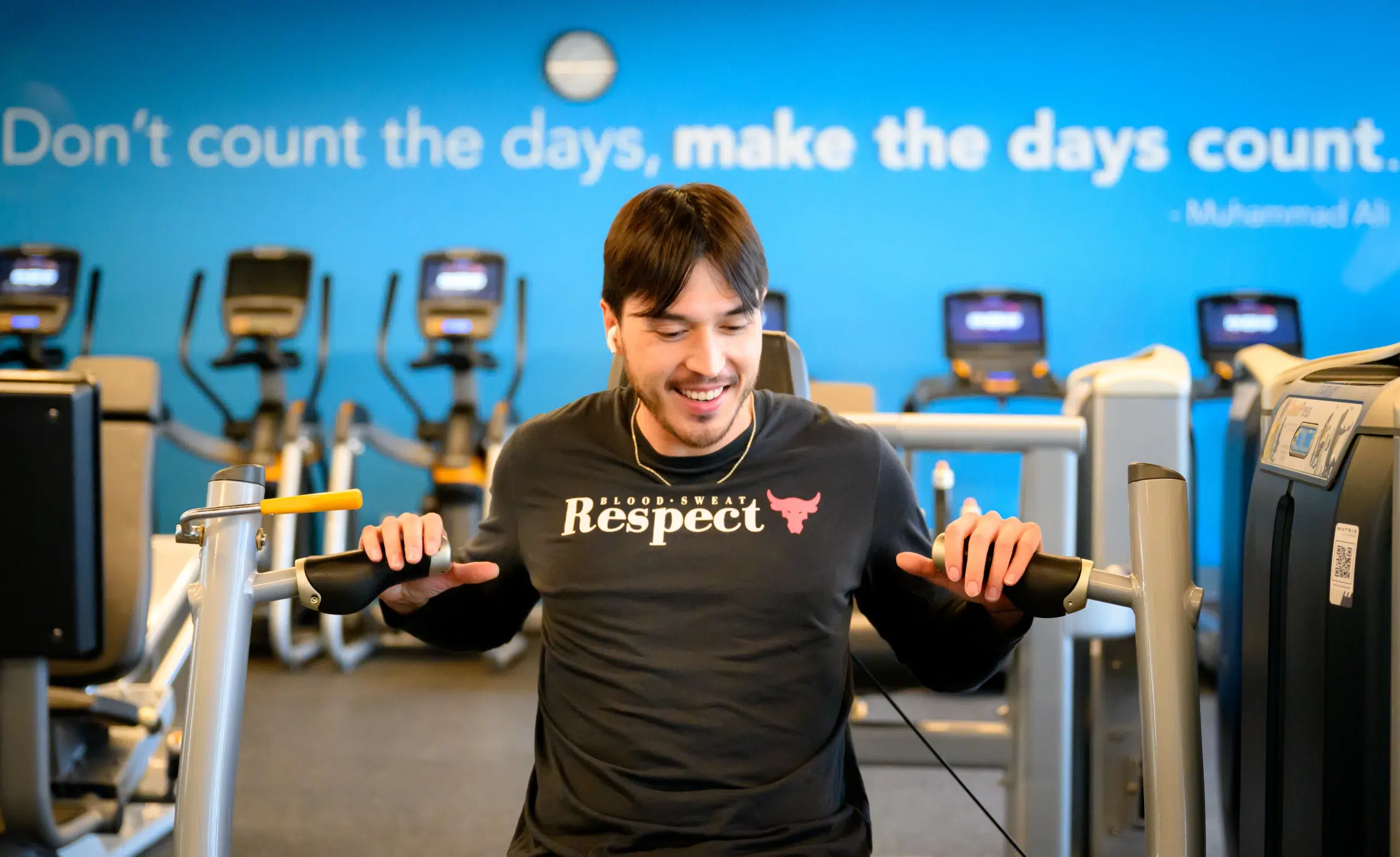
The purpose is to influence buyers. Each element is controlled. Lighting and composition are precise. The image must capture interest within seconds.
-
Product Photography
E-commerce and online stores require product photography. It highlights features clearly. Clean backgrounds are common. Sharp details are important.

Customers cannot touch products online. So the photo must show texture, size, and quality. Such photography has a direct influence on purchase decisions.
-
Fashion Photography
Fashion photography advertises clothes and accessories. It is found in advertising campaigns, lookbooks, and internet stores.
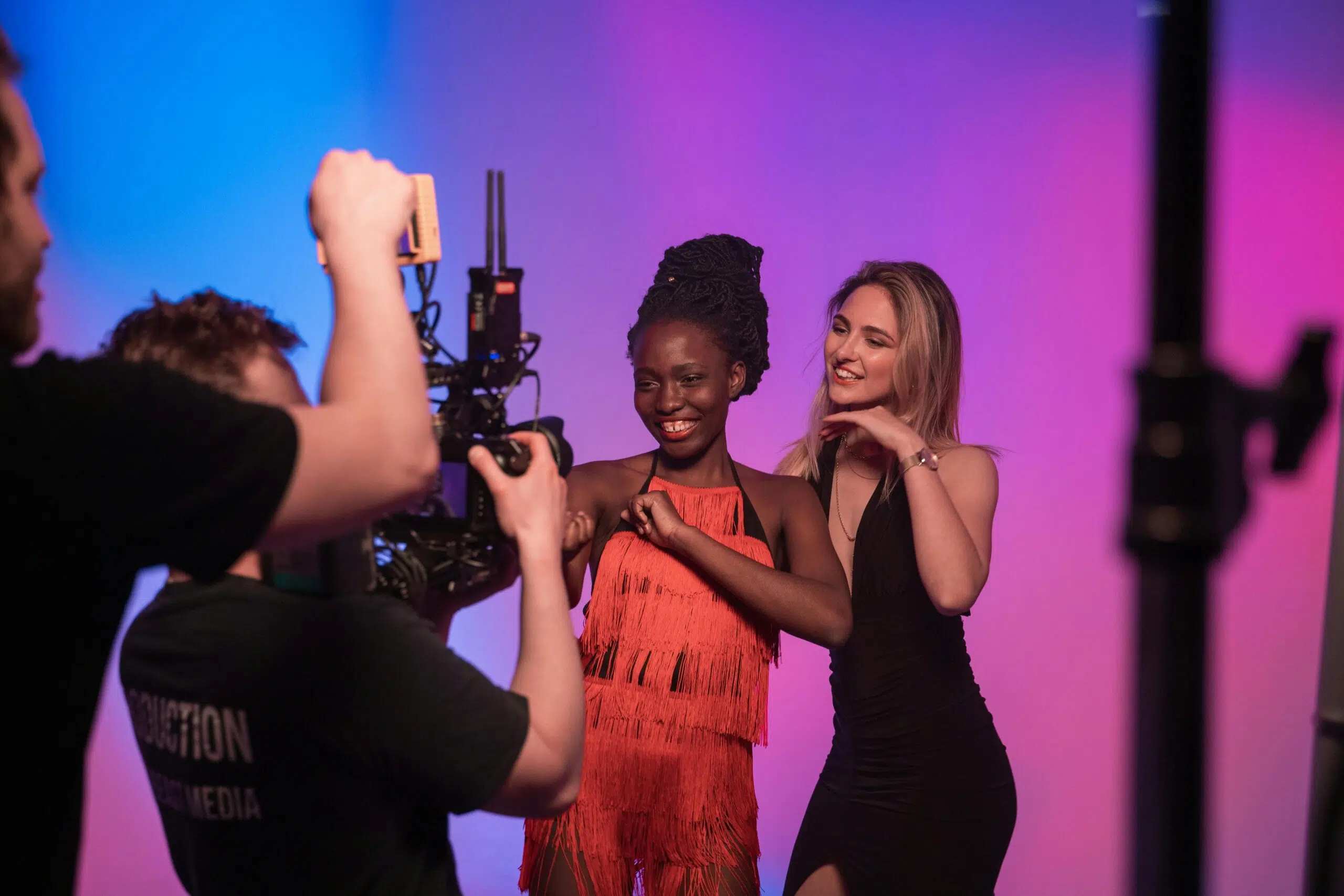
It is concentrated on style and brand personality. Models, make-up, and places are important. The photographer collaborates with stylists and creative directors.
-
Food Photography
Food photography presents meals in a new way that makes them look fresh. Restaurants, cafes, and food brands use it.
Lighting is critical. Colors must look natural. Texture must feel real. Many techniques are used to keep food looking perfect during long shoots.
-
Corporate Photography
Corporate photography develops a professional brand image. It contains team pictures, office photos, and headshots. These images are placed on websites and LinkedIn profiles by companies. The goal is trust and credibility

-
Real Estate Photography
To show houses, real estate photography is employed. It is focused on space, light, and design. Wide-angle lenses are common. Clear and sunny pictures attract tenants and clients.
-
Industrial Photography
Photographing industry, factories, machinery, and production is known as industrial photography. It typically handles large designs. Safety regulations are necessary. Reports, websites, and commercials use these images.
Industries That Hire Commercial Photographers
Commercial photographers are required in many industries. Retail brands need product images. Restaurants need menu photos. Fashion companies need campaign visuals.
Real estate agencies need property photos. Corporate offices need professional headshots. Manufacturing companies need industrial visuals.
Even small businesses and startups spend money on professional photography. Good images enhance brand trust. They increase engagement. They also boost conversion rates.
Key Skills Required to Become a Commercial Photographer
Commercial photography requires technical and creative skills. You have to know both art and business.
- Strong lighting knowledge. Use natural and studio light properly.
- Full control of camera settings. Manage ISO, shutter speed, and aperture.
- Photo editing skills. Use tools like Adobe Photoshop and Adobe Lightroom.
- Branding knowledge. Match images with brand identity.
- Clear communication skills. Understand client goals easily.
- Creative thinking. Create unique and engaging visuals.
- Problem-solving ability. Handle challenges during shoots.
- Time management skills. Meet deadlines without delay.
Equipment Used in Commercial Photography
The professional equipment guarantees quality results. Here are the essential tools:
- A mirrorless or DSLR camera with high resolution. Image clarity matters.
- Prime and zoom lenses. The different lenses produce different effects.
- Studio lighting equipment. Shadows are managed by softboxes and reflectors.
- Tripods for stability. Sharp images are important.
- Editing software for post-production.
- Backdrops and props based on project needs.
Technology keeps evolving. Drones are becoming a commonly used tool by many photographers. Some use advanced mirrorless systems for better performance.
Pros and Cons of Being a Commercial Photographer
This career offers many benefits. But it also has challenges.
Pros
- High earning potential. Professional photographers charge high prices.
- Creative freedom in many projects.
- Chance to collaborate with brands and agencies.
- Flexible work arrangement when you are a freelancer.
Cons
- Things may start to be unstable with income.
- Equipment is expensive.
- The intensity of the competition in key markets is high.
- Shoots and editing sessions take too much time.
How to Become a Commercial Photographer?
Begin by studying the fundamentals of photography. Practice daily. Build a strong portfolio. Select one of the niche such as product or fashion photography. Learn editing skills. Support professional photographers.
Slowly invest in good equipment. Develop a business web page. Advertise on these social media. Establish contact with agencies and brands. Long-term success is dependent on consistency and networking.
Conclusion
A commercial photographer is not just a person who captures photographs. They are visual marketers. They assist brands in expanding with strong images. Their work affects the purchasing behavior. It develops brand value and trust.
It is an area that integrates business strategy and creativity. This career can be satisfying if you love photography and marketing. Strong skills, quality gear, and consistent effort can help you succeed in commercial photography.
FAQs
How much does a commercial photographer charge per project?
It depends on experience, location, and project size. Small shoots may cost a few hundred dollars. Large campaigns can cost thousands.
Can beginners start commercial photography without a degree?
Yes, a degree is not required. Strong skills and a good portfolio matter more than formal education.
How long does a commercial photoshoot usually take?
It can take a few hours or several days. Complex projects with multiple setups take longer.
How do commercial photographers price their services?
They charge based on time, usage rights, editing work, and production costs. Licensing fees also affect the final price.
What industries pay the highest rates for commercial photography?
Fashion, advertising, luxury brands, and large corporate companies usually pay the highest rates.