AI headshot tools, Aragon, HeadshotPro, Try It On AI, and a dozen others, flooded the market in 2024 and 2025 with the promise of “corporate-quality” portraits for $30 and twenty minutes of your time. The technology got remarkably good in a short period. So why are working corporate photographers busier than ever in 2026, and why are recruiters and hiring managers increasingly skeptical of synthetic portraits?
The AI headshot boom, and the backlash
For about eighteen months, AI headshot services looked like an inevitability. Upload 10 to 20 selfies, pay $30, $50, get back a grid of “professional” portraits. The output got polished enough that most people who saw a single AI headshot in a vacuum couldn’t tell. The economic logic was unbeatable on price.
What changed: recruiters, hiring managers, and audiences started seeing thousands of them. AI headshots have signature artifacts at scale, the same lighting, the same backgrounds, the same expressions, the same subtle uncanny-valley smoothness in the skin. Once you’ve seen 50, the next one is instantly recognizable. That recognition is bad. It tells a recruiter that the candidate either couldn’t afford a real headshot or didn’t think it was worth the effort, and both readings work against the candidate.
How a real photographer’s headshot is different
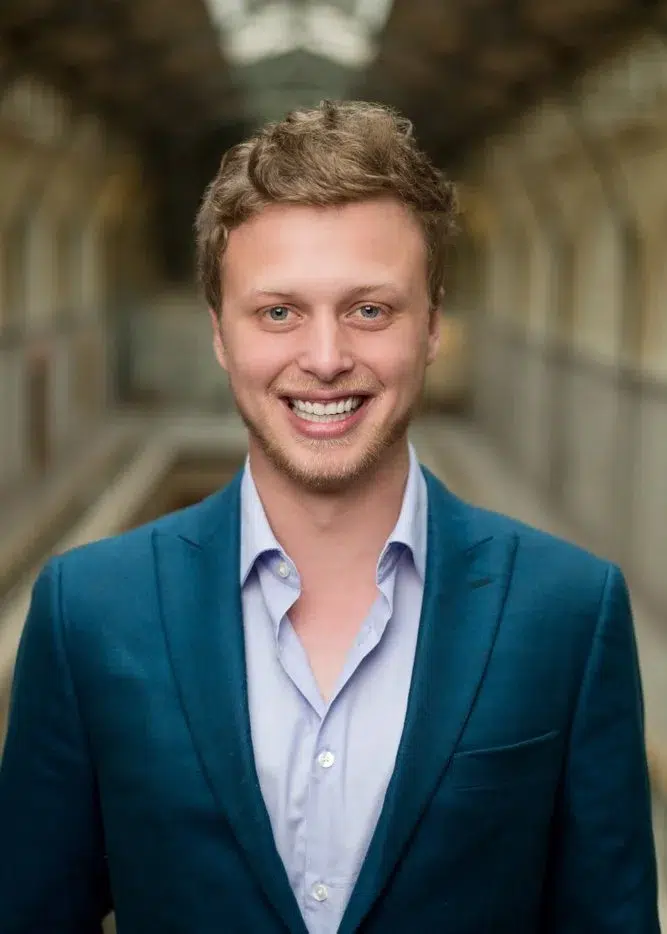
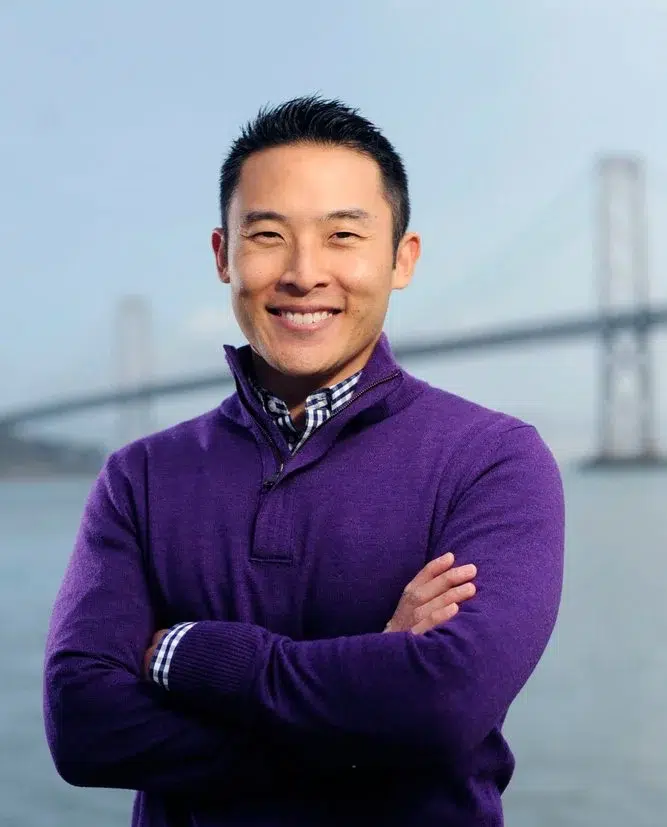
The differences are easy to see once you know to look. Real headshots have specific light direction, real bokeh, real skin texture, eye contact that’s earned through interaction rather than synthesized, and small natural asymmetries that AI training data smooths out. Hands, glasses, jewelry, and hair edges all look right, areas where AI still routinely produces tells.
More importantly, a real session captures you. A good photographer talks to you, makes you laugh, gets you settled, and finds the frame where the version of you that earns trust at first glance shows up. That can’t be generated from selfies.
When AI headshots are actually fine
Honest answer: for very early-stage roles, for casual use, for a quick LinkedIn touch-up before a freelance pitch, AI tools can be fine. The bar for being acceptable on LinkedIn is not high, and AI clears it. The problem is when the bar matters.
For executives, founders, attorneys, financial professionals, and anyone whose first impression carries real money, board roles, partner promotions, fundraising, sales above mid-six-figure deal sizes, the AI tell costs more than the savings. The same recruiters and decision-makers seeing your portrait are seeing dozens of synthetic ones each week. Real photography becomes the differentiator.
The differentiator is going to grow, not shrink
The market is moving in a clear direction. As AI portraits become more common, real photography becomes more valuable, not less, the same way handwritten thank-you notes got more powerful when email arrived. The differentiator widens with the AI boom, it doesn’t narrow.
If your headshot is doing work that matters, earning trust with clients, opening doors with recruiters, holding up against C-suite peers, pay a real photographer once and let it work for you for three to five years. That’s the math.
Related: San Francisco Corporate Headshots · San Francisco LinkedIn Headshots · San Francisco Executive Headshots · Get in touch