Most corporate conferences are photographed by someone who shoots weddings on weekends. Sometimes that works. Often it doesn’t. Here’s what to look for if your conference photography is going to do real marketing and PR work afterward.

The five things that actually matter
1. Editorial experience. The best conference photographers come from a news or editorial background. They know how to find the genuine moment, work fast under pressure, and read a room without slowing it down. Wedding photographers can be excellent, but the discipline is different. Ask if their work has appeared in editorial outlets (TIME, WSJ, Bloomberg, AFP, Getty).
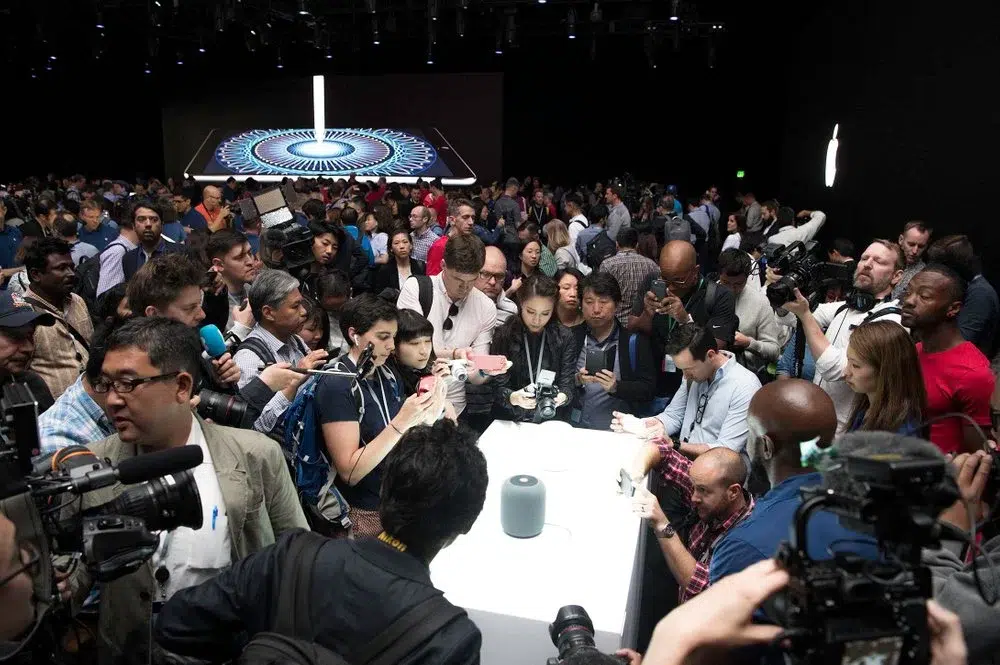
2. Low-light competence. Conference rooms are dark. Stage lights are uneven. The photographer needs to handle ISO 6400+, mixed lighting (LED panels + tungsten + window light), and silent shutter operation during keynotes. Ask for sample frames specifically from low-lit rooms.
3. Multi-day stamina and consistency. Day-three coverage should look identical to day-one coverage. Same color grading, same crop preferences, same instincts for the candid. Ask to see a full multi-day conference gallery, not just a portfolio reel.
4. Delivery speed. Can they deliver select edits same-day for press? How fast is the full gallery, 3 days, 5 days, 7 days? For press-cycle work this is decisive.
5. Crew options. For multi-track conferences (two stages running simultaneously), you need a second photographer. Ask whether they have a vetted network of seconds or whether you’re scrambling to find one yourself.
What doesn't matter as much as people think
Camera brand. Anyone obsessing over Canon vs Sony vs Nikon is missing the point. Modern professional bodies all handle conference work fine. The eye is what matters.
“Years of experience” alone. Twenty years of doing portraits in a strip mall doesn’t translate to conference work. Look at relevant experience, recent multi-day corporate conferences, ideally at scale.
Price as a primary signal. Conference photography below $2,500 a day usually means someone is learning on your event. Above $10,000 a day usually means you’re paying for editorial credentials and crew, sometimes worth it for press-cycle work. The middle is where most working professionals sit.
Questions worth asking on the intro call
“Can I see a full conference gallery, not just a highlights reel?” “What’s your same-day select-edit turnaround?” “How do you handle multi-track conferences, second photographer, or single coverage?” “What does your delivery look like, file types, gallery platform, usage rights?” These four questions surface most of what matters.
Red flags
Watermarks on the final delivery. Bundled “rights packages” with restrictions on commercial use. A portfolio with no recent multi-day conference work. Unwillingness to do a pre-event call. Slow communication during the booking phase (will be slower during the event).
The right photographer pays for themselves
A conference photographer who hits the brief produces marketing assets your team will use for a year, annual report imagery, sponsor decks, next year’s landing page, recap newsletters, press follow-ups. A photographer who misses produces images you’ll quietly stop using by month two. The cost difference between great and adequate is usually a few thousand dollars; the asset-value difference is an order of magnitude.
Related: San Francisco Conference Photography · How to Brief Your Event Photographer · San Francisco Event Photography · Get a quote
Corporate event photography, nationwide. Josh travels for corporate events across the country, including San Diego, Portland, Denver, Washington D.C., Las Vegas, San Francisco, and more. See the full list of cities served.