They put us on a bus and drove us into the desert
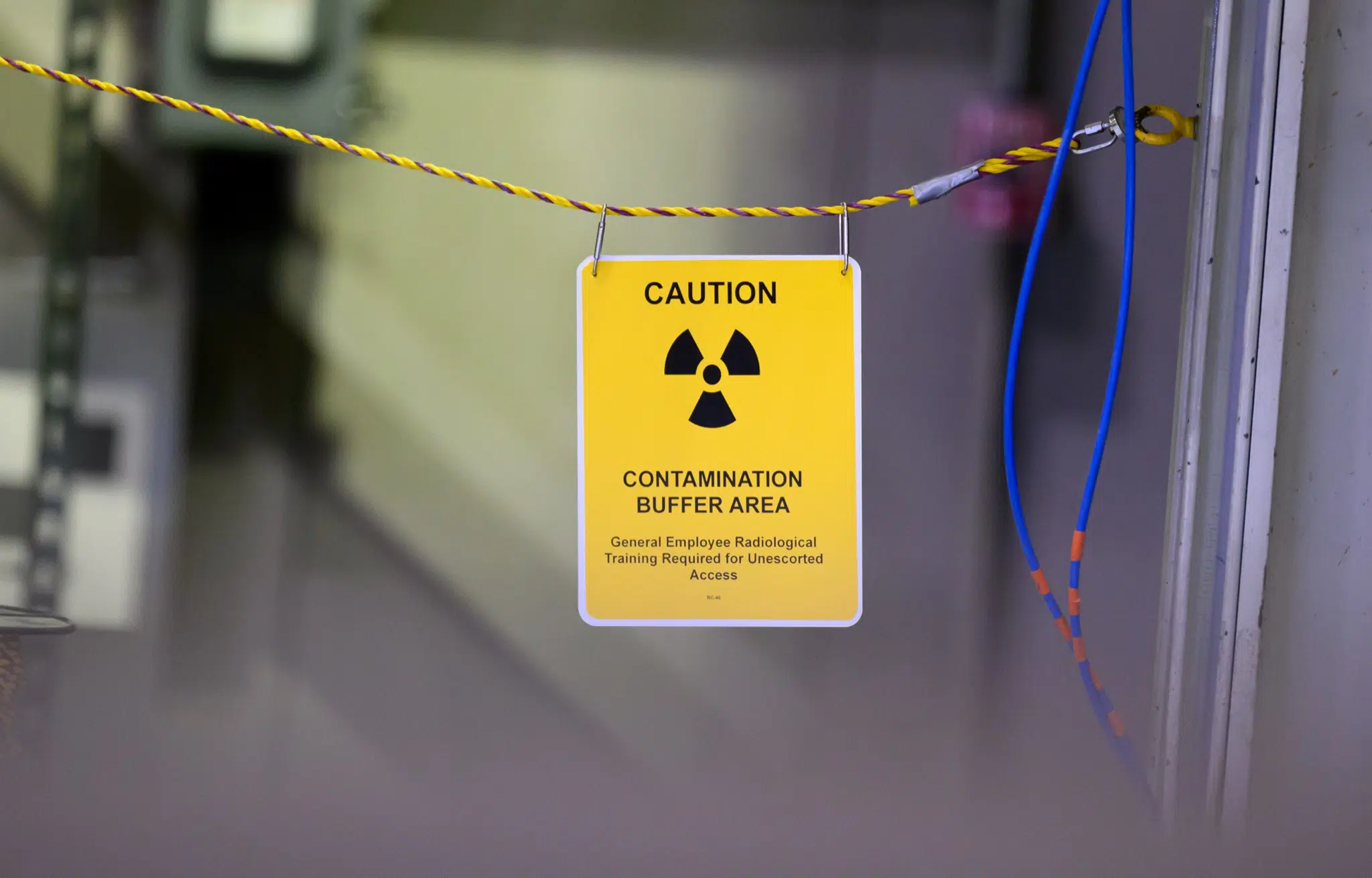
I have shot for AFP and Getty for more than fifteen years, and the assignments have taken me to some strange and guarded places. Few have felt like this one. There was no driving in on your own. They loaded us onto a bus and pointed it at the empty high desert west of Idaho Falls, and the deeper we pushed into the sagebrush, the more the world changed. The signs stopped marking miles and started warning about radiation. Placards flagged radioactive contamination. Armed guards watched the road. Out here, behind the fences and the warnings, a handful of startups are building the future of American nuclear power, far from any city or spotlight.
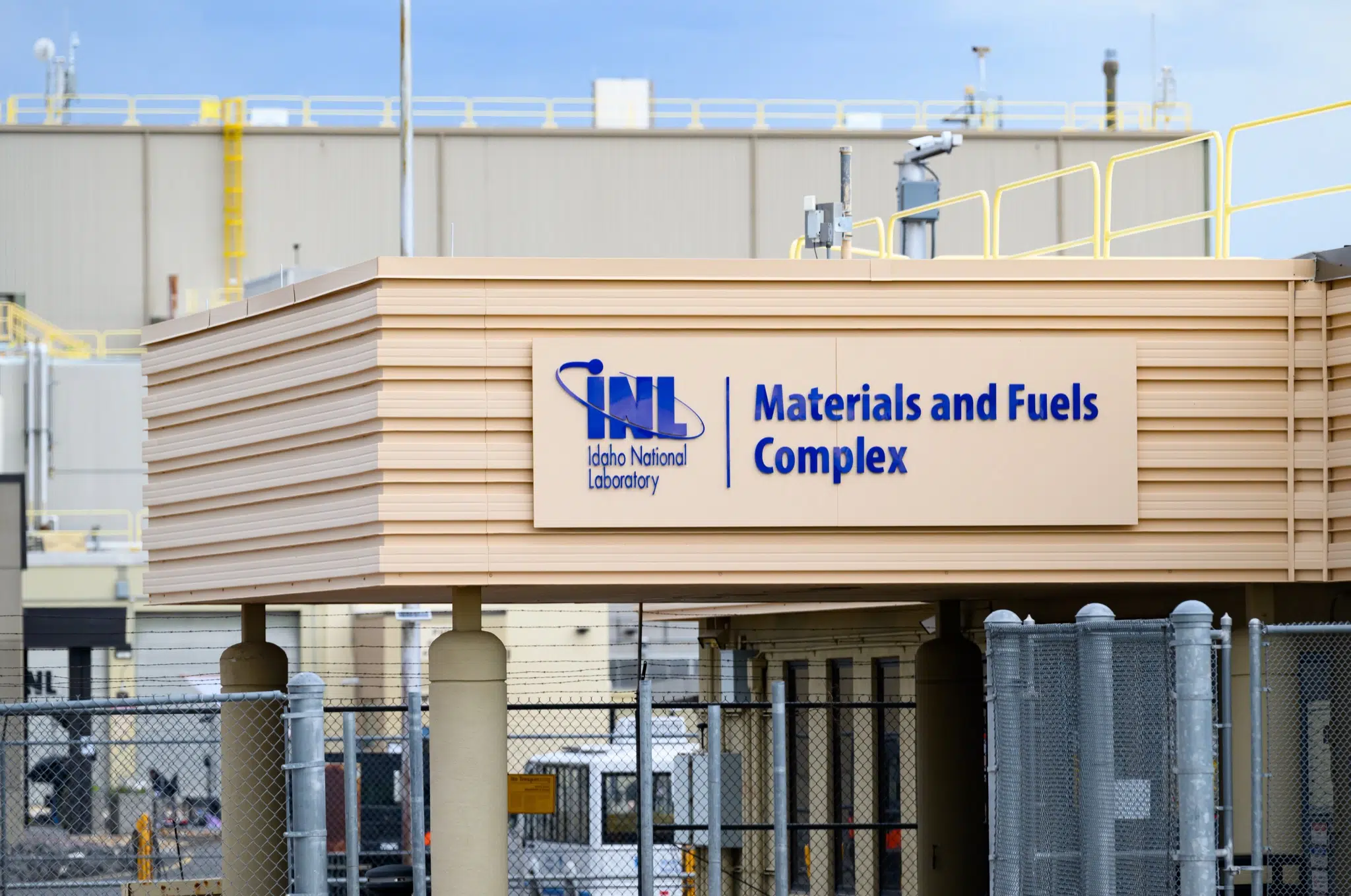
This is the grounds of Idaho National Laboratory, the federal site that fired up the world’s first electricity-producing reactor in 1951 and has built more than fifty prototypes since. AFP sent me to document the moment the next generation stopped being a slide deck and started going critical for real.
What is actually out there
The reactors are small modular reactors, or SMRs, and microreactors. Forget the looming cooling towers. These are compact, almost unassuming. One was small enough that the company simply hitched it to a pickup truck and towed it across the desert to the site. That image stuck with me longer than any spec sheet could: the future of the grid, rolling down a dirt road behind a truck.
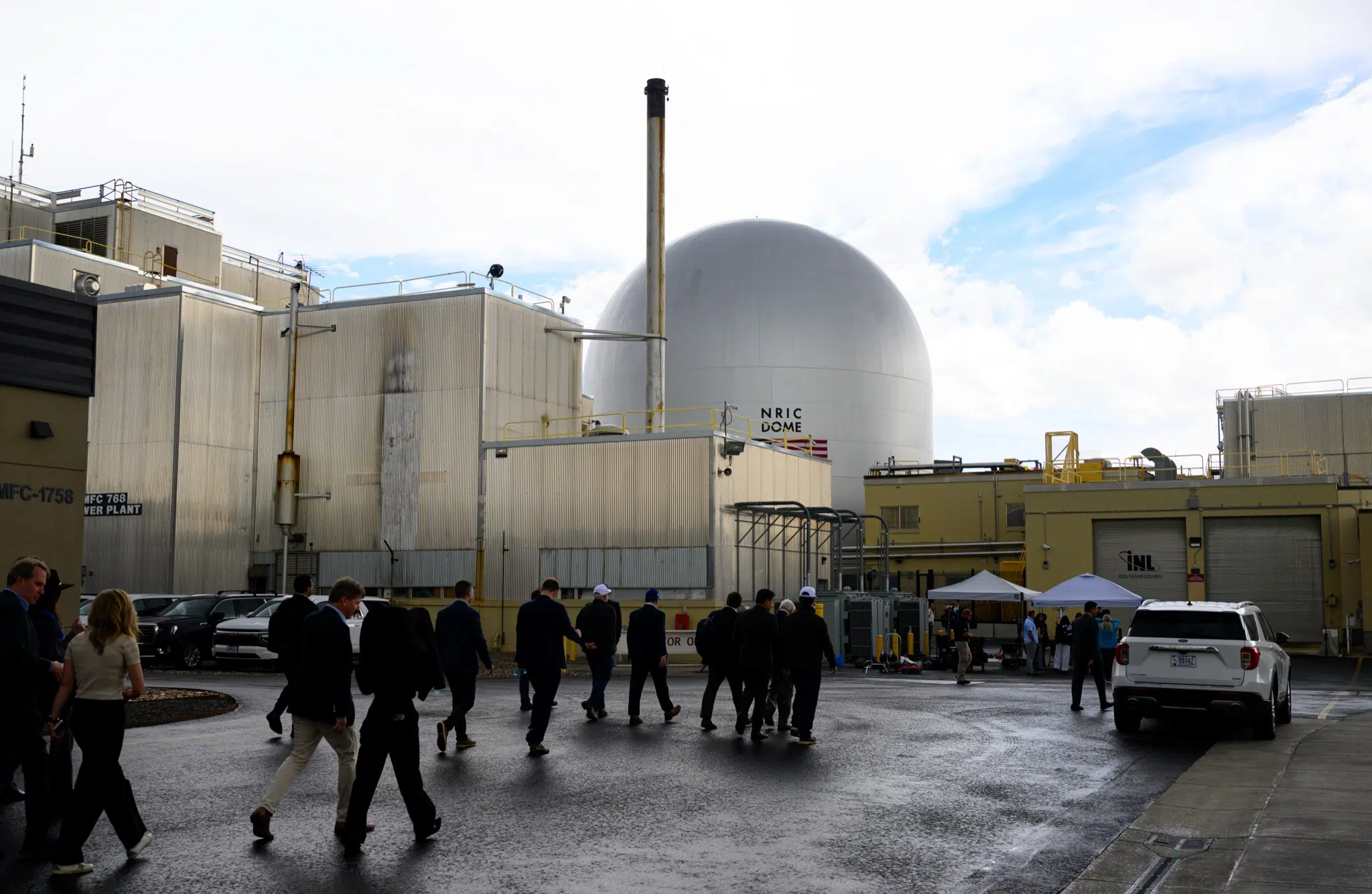
Ten companies were handpicked for the Department of Energy’s Nuclear Reactor Pilot Program, launched in 2025 and tied to a presidential executive order. The lab lends them roughly eighty years of hard-won experience. And there is a clock on it. The race has a deadline: push reactors to criticality around July 4, 2026, the country’s 250th birthday.
Criticality is the word that matters out here. It is the instant a reactor begins to sustain its own nuclear chain reaction. It is a genuine threshold, and it is not the same as powering your house. These designs still need clearance from federal regulators, the prototypes run under a special government waiver, and plenty of analysts doubt they can ever beat wind and solar on cost. I tried to keep all of that in the frame, the promise and the asterisk both.
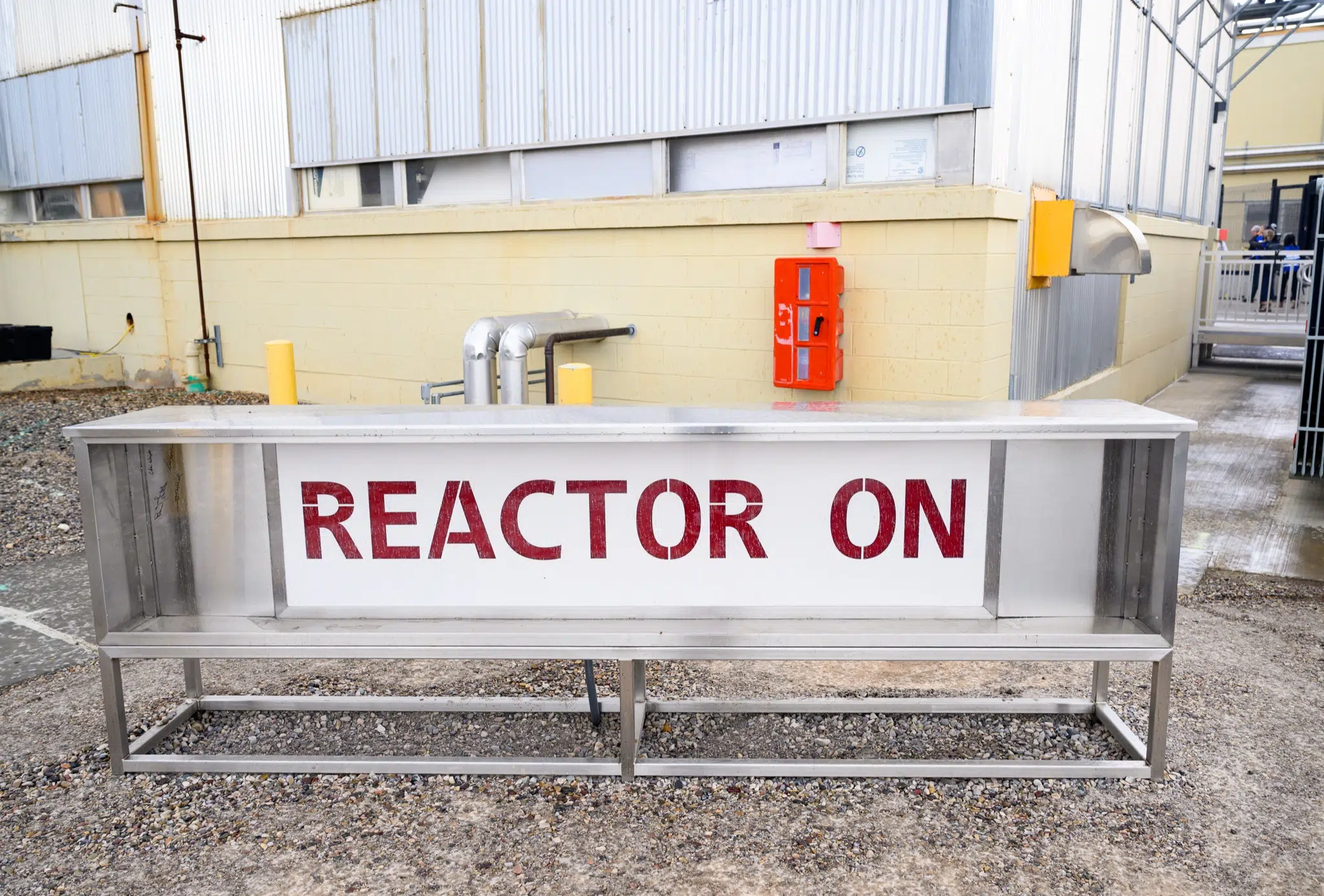
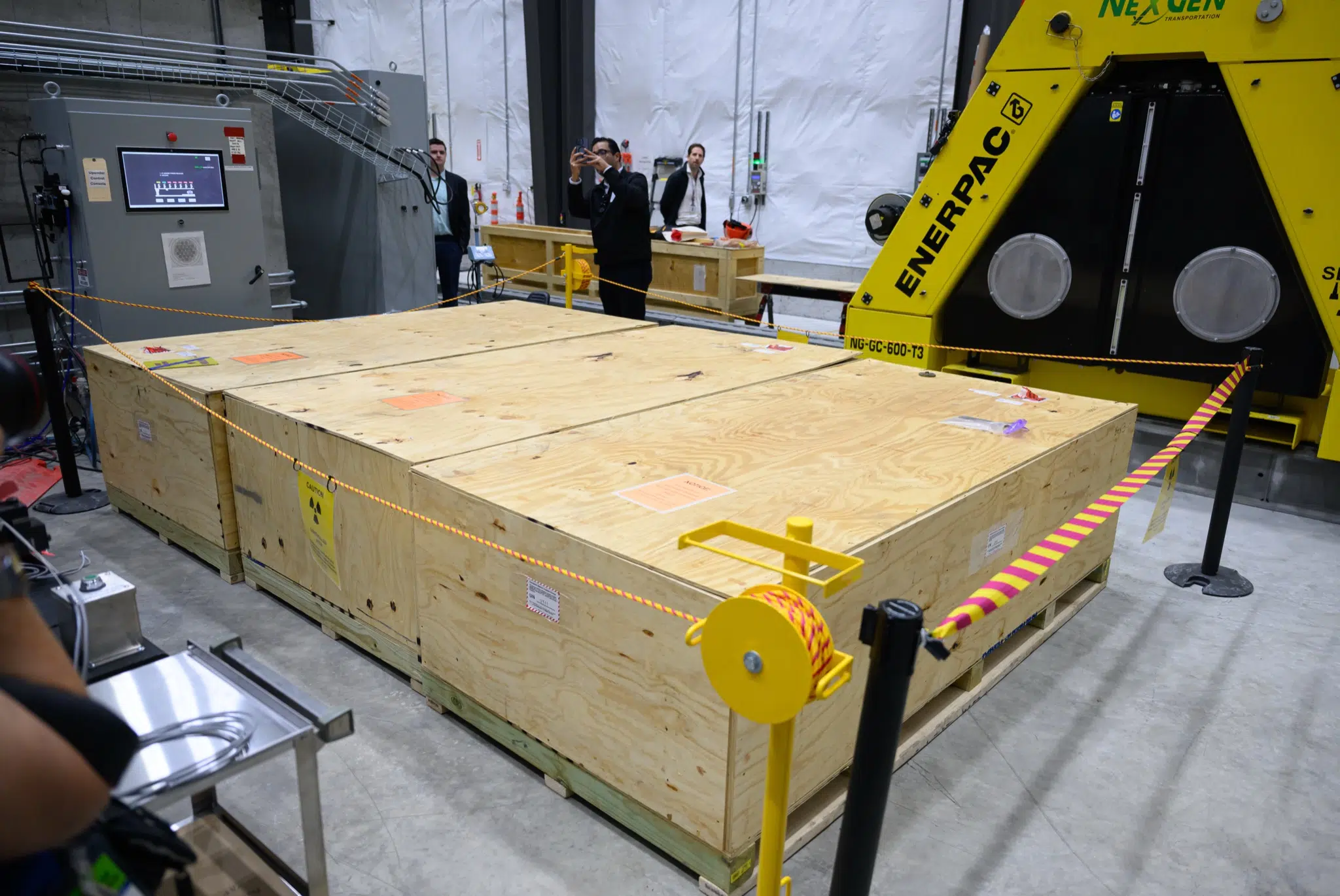
And yet the milestones kept landing. Antares became the first company to fire up a new-design American reactor in nearly fifty years, reaching criticality on June 4. Valar Atomics went critical on June 18 with a unit the size of a minivan. Aalo Atomics built its facility here in thirty-six days and was lined up to go next, right before the July 4 target.
Then the Secretary climbed on top of a reactor
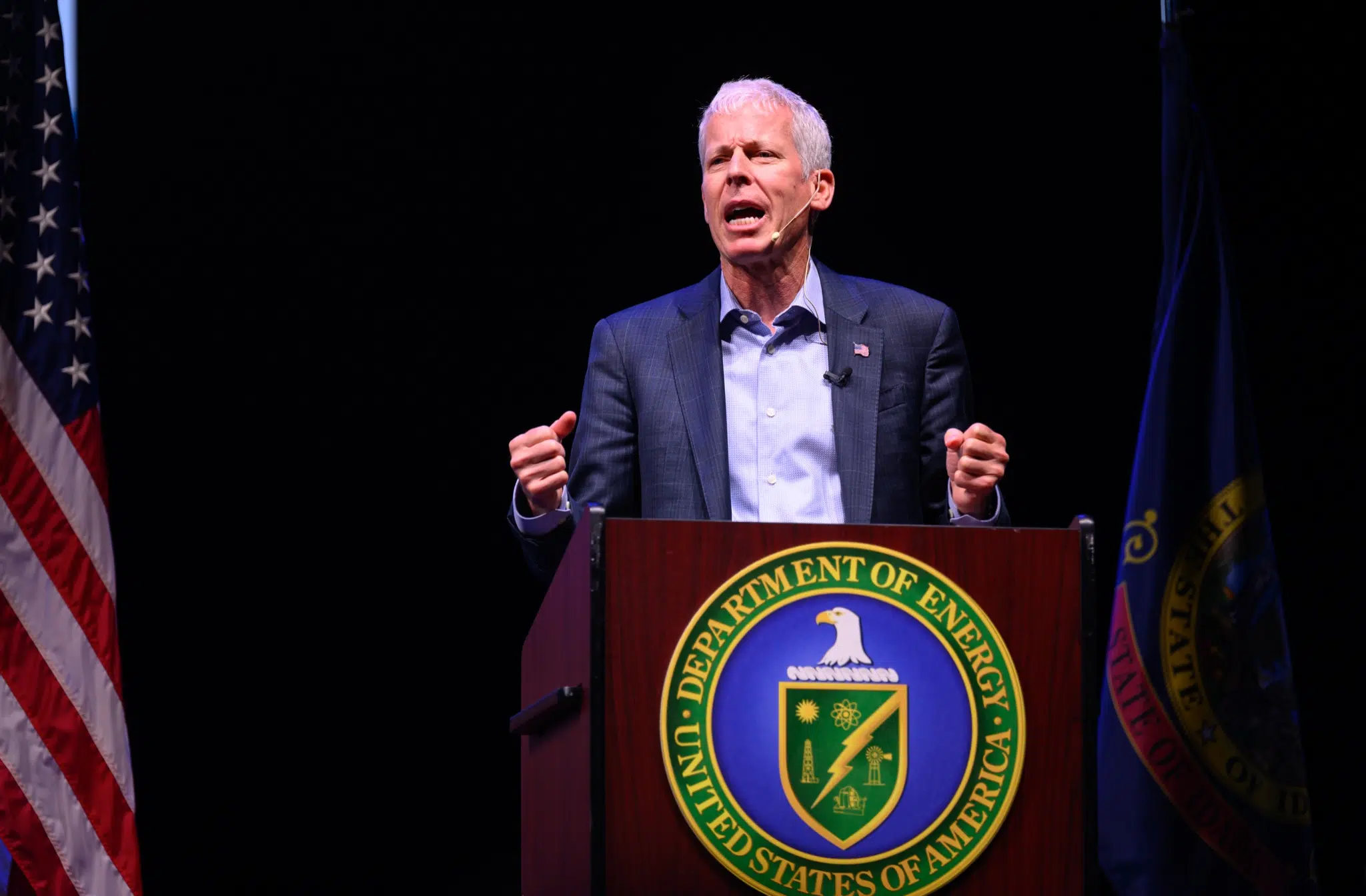
US Secretary of Energy Chris Wright toured the sites on June 25, and he did not hedge. “We’ll have hundreds by the end of the decade,” he told the room. “Our aggressive goal is that we will have some of these reactors producing electricity for beneficial use next year.”
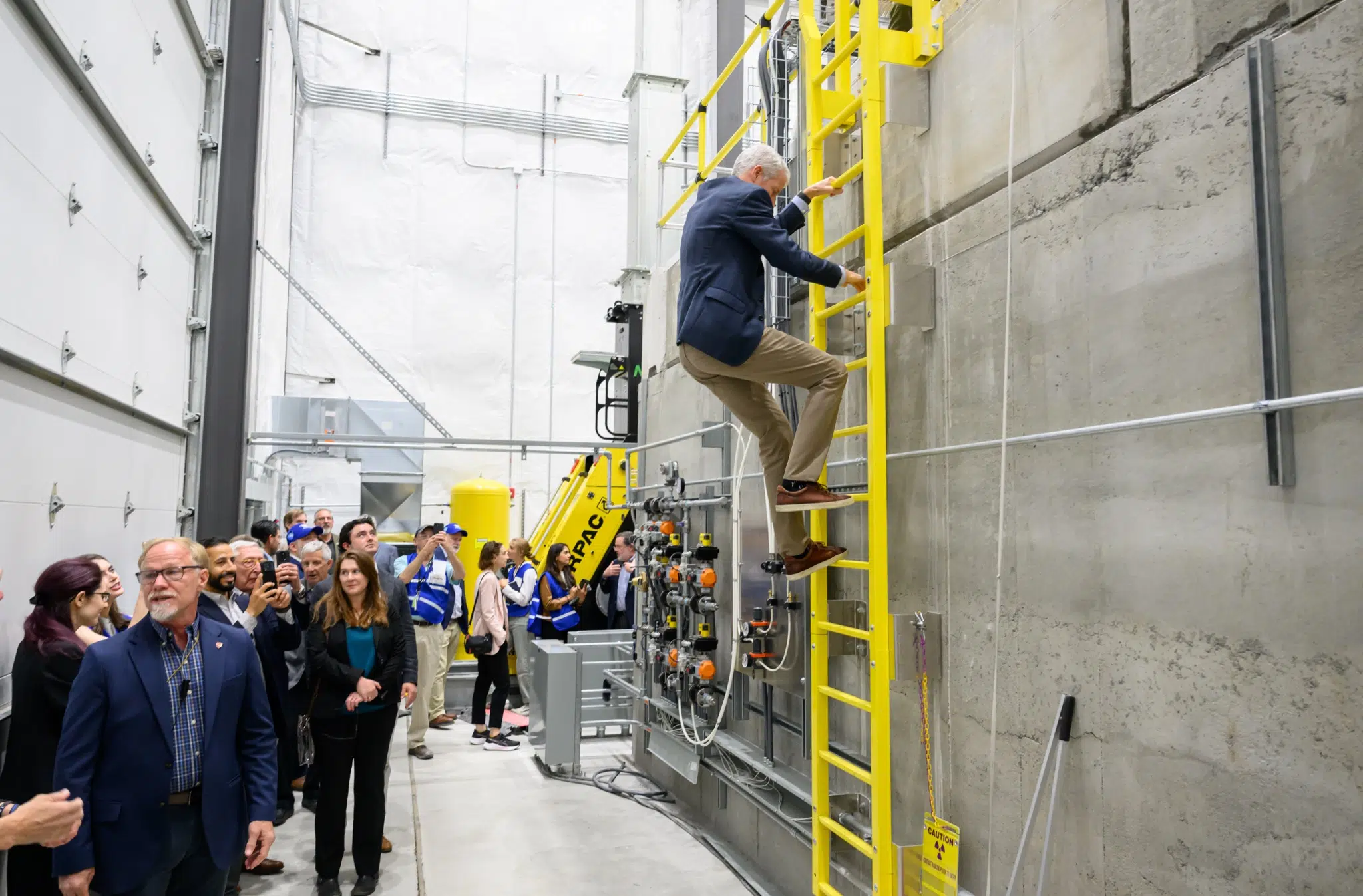
Then came the frame I cannot stop thinking about. Wright climbed up and stood on top of a nuclear reactor at the Aalo Atomics facility. A sitting cabinet secretary, boots on a reactor, in the middle of a guarded desert. You do not get many chances at a picture like that. Moments earlier he had signed an authorization, on the spot, clearing Aalo to start the thing up. I worked the rest of it hard: nuclear fuel up close, the founders walking him through their machines, the bare concrete pads and empty domes waiting for the next reactors to drop in.
The founders matched his nerve. “This is the first real moment in this new nuclear renaissance,” Antares CEO Jordan Bramble told me. Aalo’s president and CTO Yasir Arafat made the case for going small: “The whole plant can get simpler. We don’t need several feet of concrete and steel containment.” Radiant’s president and COO Tori Shivanandan talked about the regulators with something close to respect: “They hold the line, and we want them to, because ultimately, if we don’t make safe products, we’ll never sell reactors.”
Why it felt like more than a photo op
American nuclear stalled for a generation after Three Mile Island and Chernobyl. It is roaring back now under both Biden and Trump, driven by the war in Ukraine and the staggering power demand coming from AI and data centers. Radiant and Antares are aiming their first units at US military bases. Aalo is chasing data centers. China is the only other country running an SMR today, and Wright frames the American version as a weapon of trade: “This will be a massive American export a decade from now.”
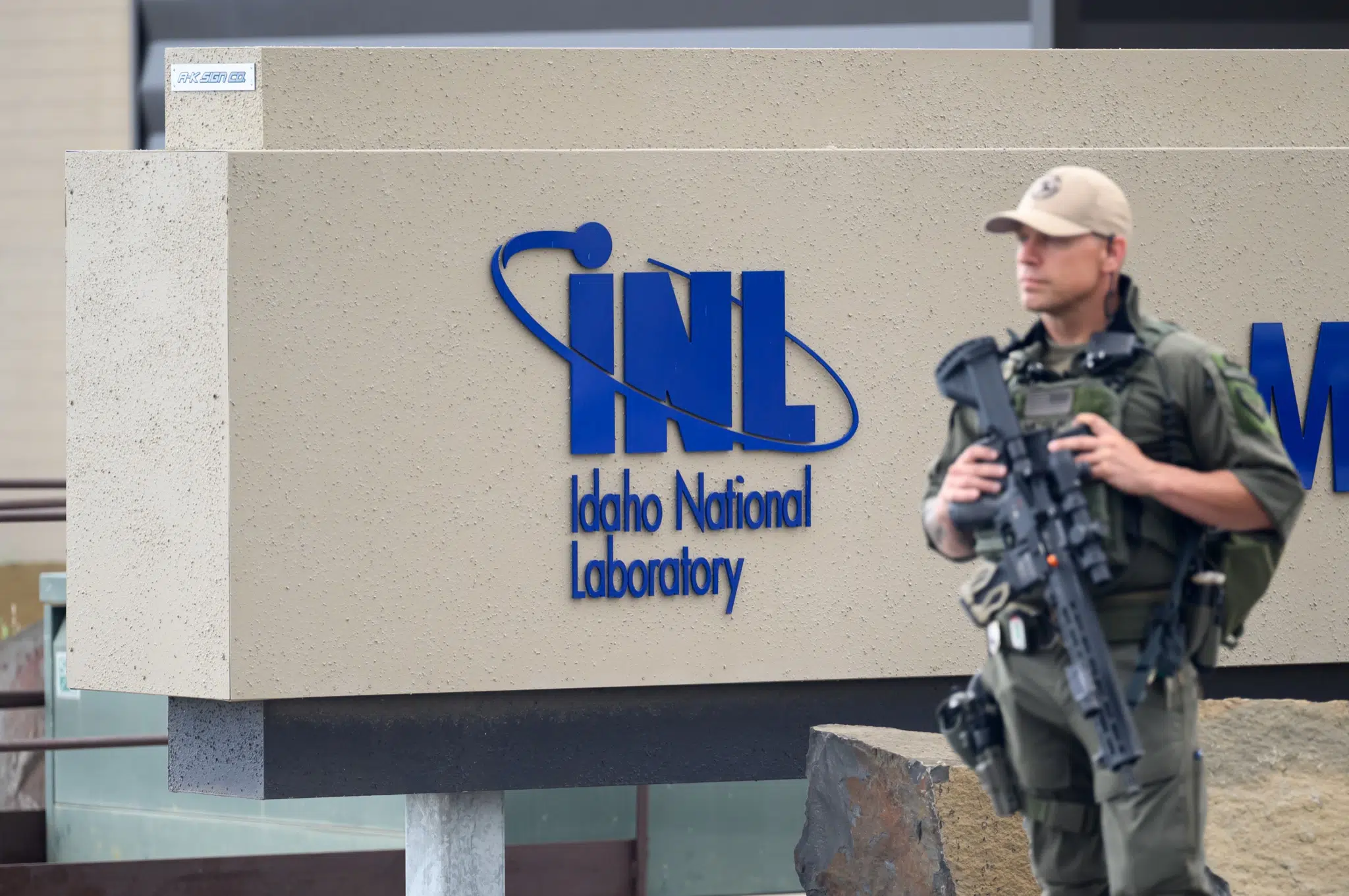
Whether the costs and the regulators cooperate is still an open question. But standing in that desert, watching the Secretary of Energy balance on top of a working reactor he had just authorized, ringed by radiation signs and armed guards, it did not feel theoretical. It felt like the opening scene of whatever comes next.
You can read the AFP story here on France 24, and see the full take on the Getty gallery. AFP ran multiple stories off this shoot.
I shoot corporate and editorial assignments nationwide. If you have a story that needs to be photographed well, get in touch.
Update, July 2026: Photographs from this assignment were published in The New York Times, in a report on the future of nuclear power in the United States.
Want to use one of these images? These photographs are available to license for editorial or commercial use. Get an instant quote.